Awards
SPECIAL COMMENDATION FROM THE JURY Florence Biennale 2023
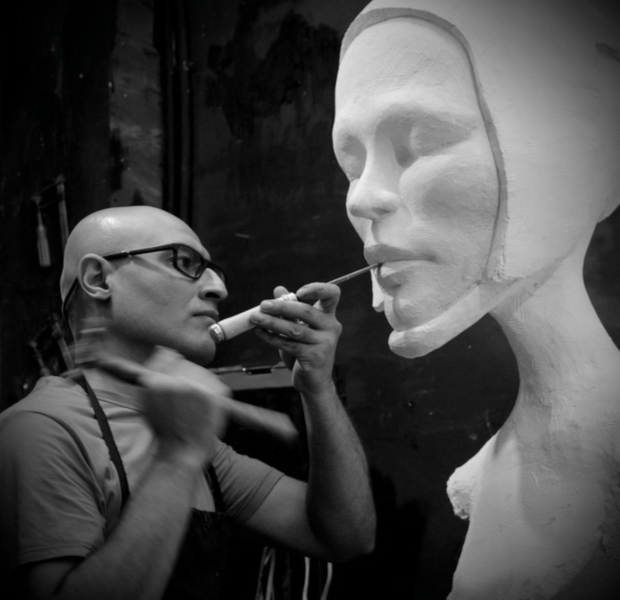
Sculptor
Professional Sculptor Member of Iranian sculptors association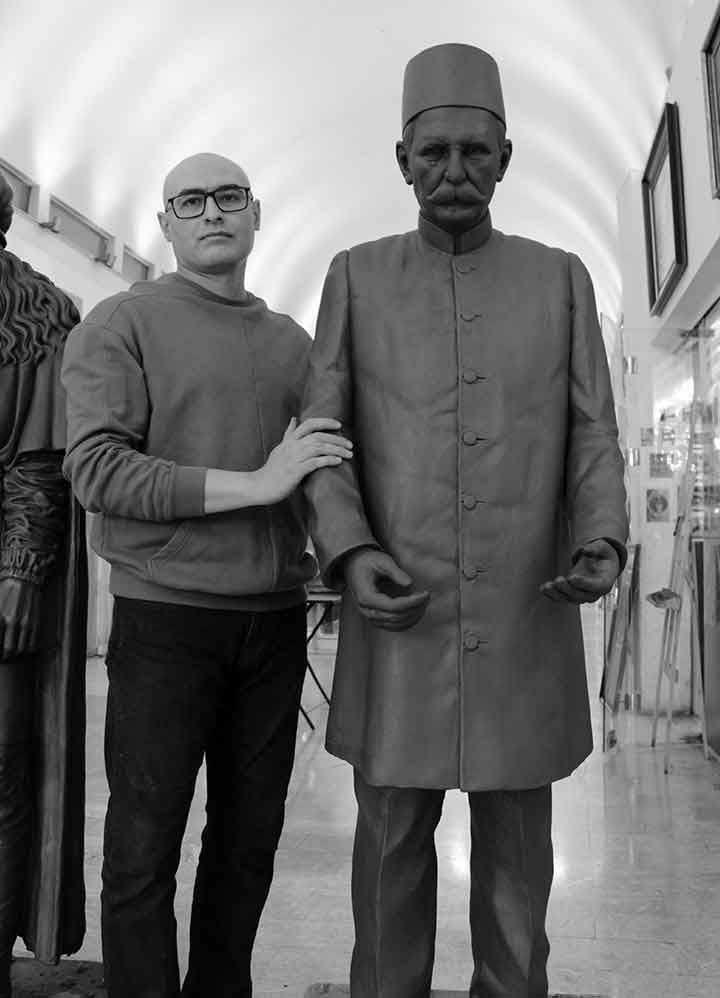
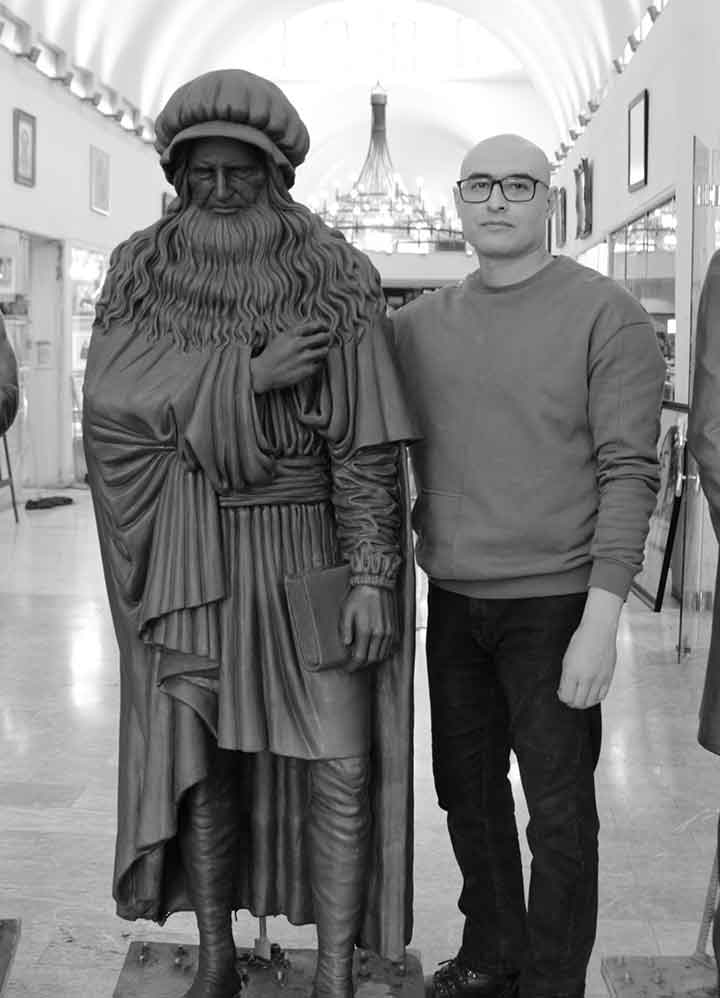
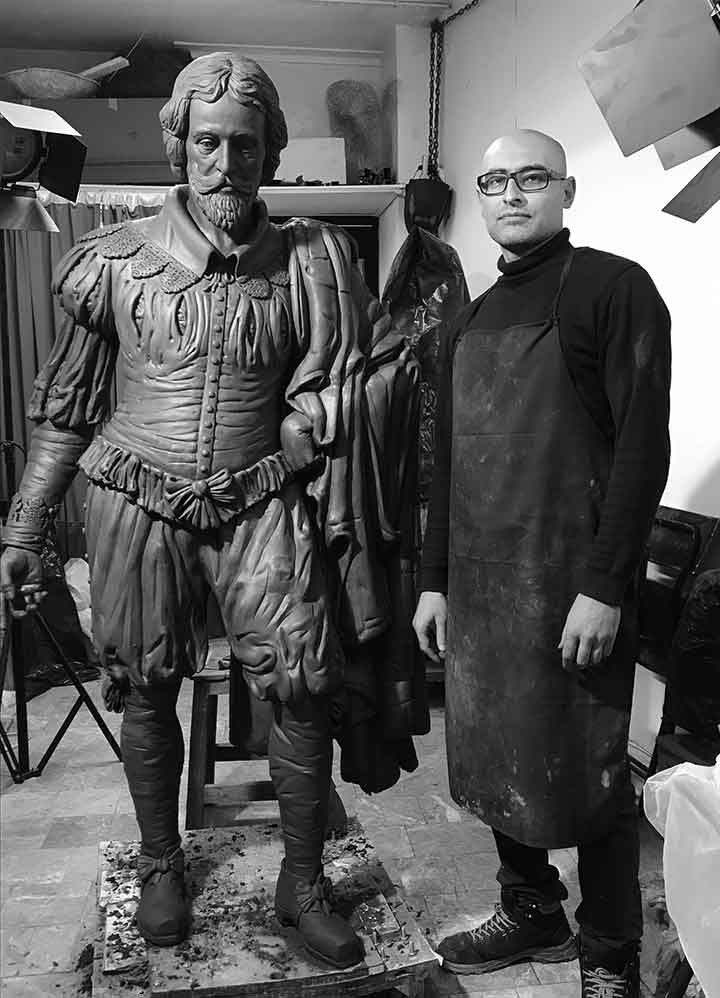
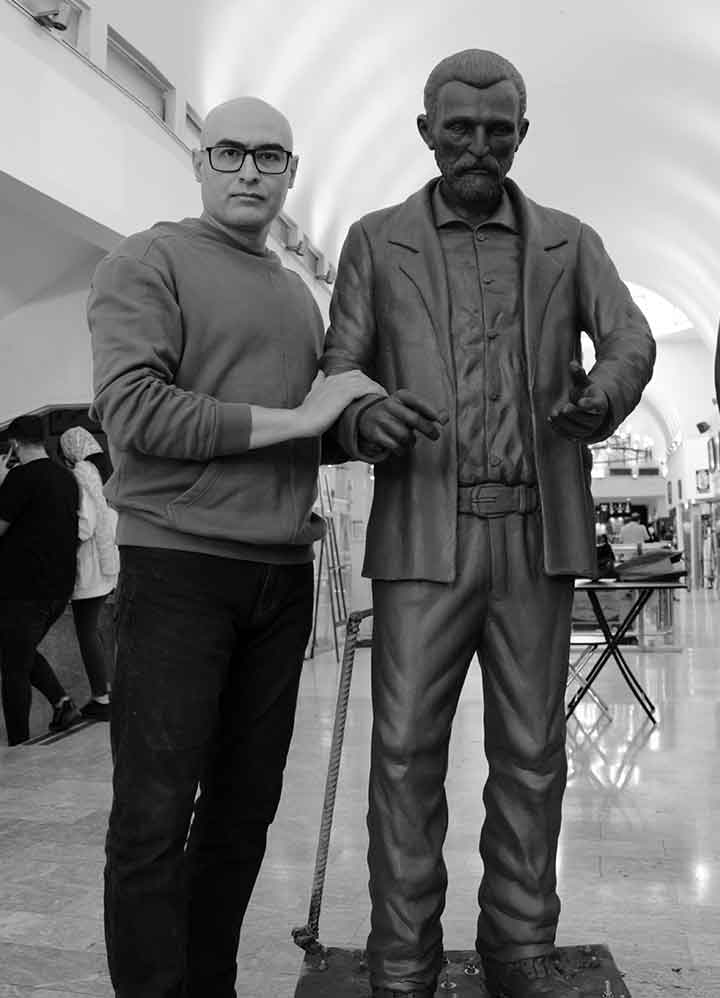
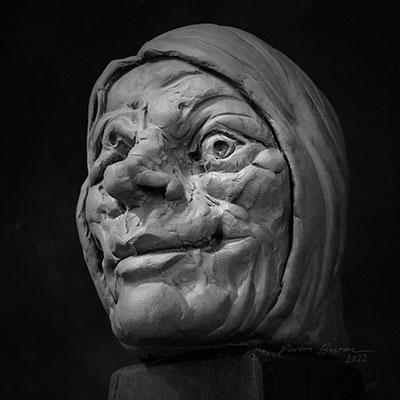
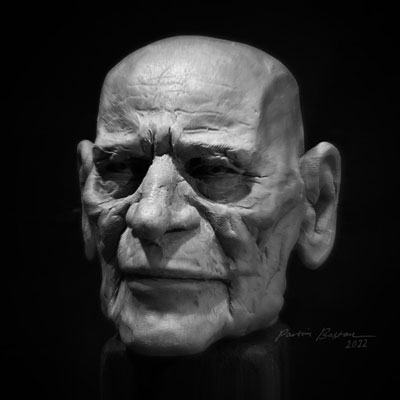
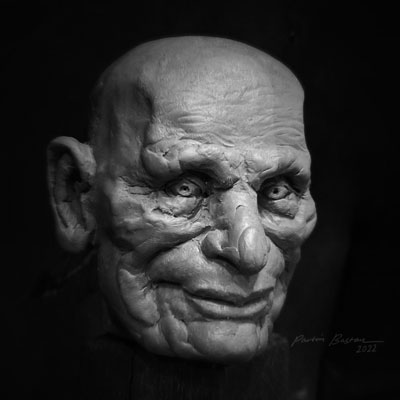
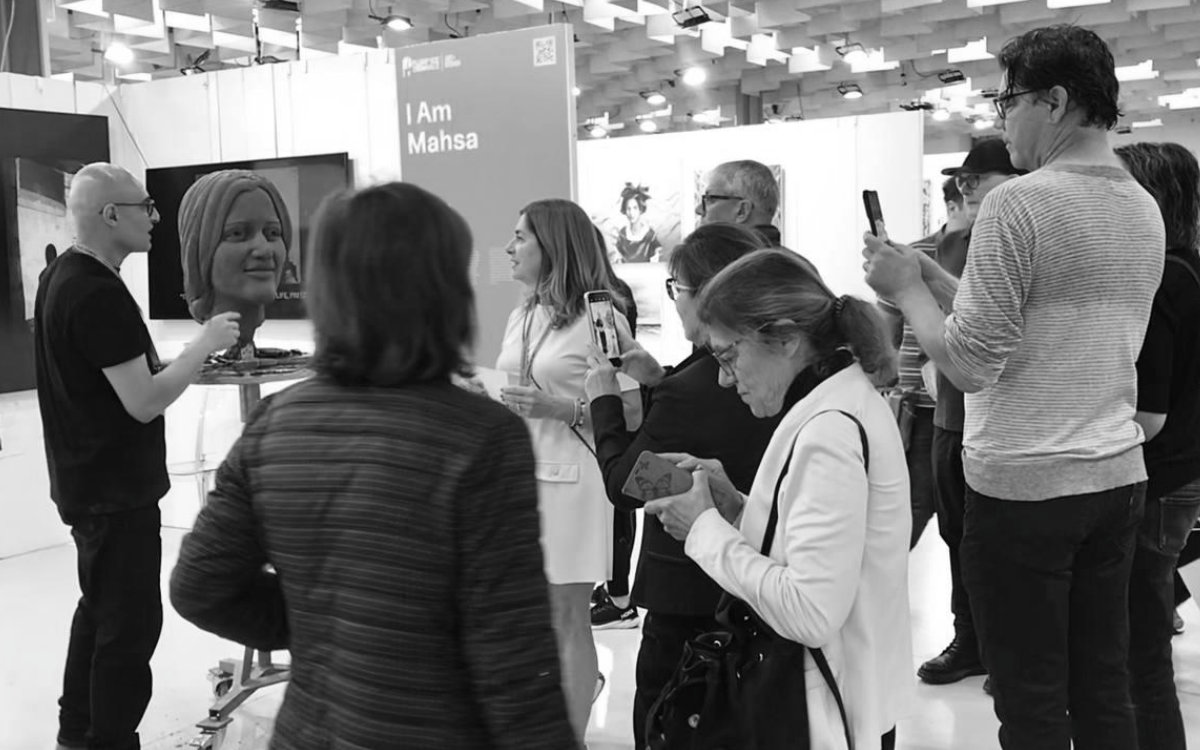
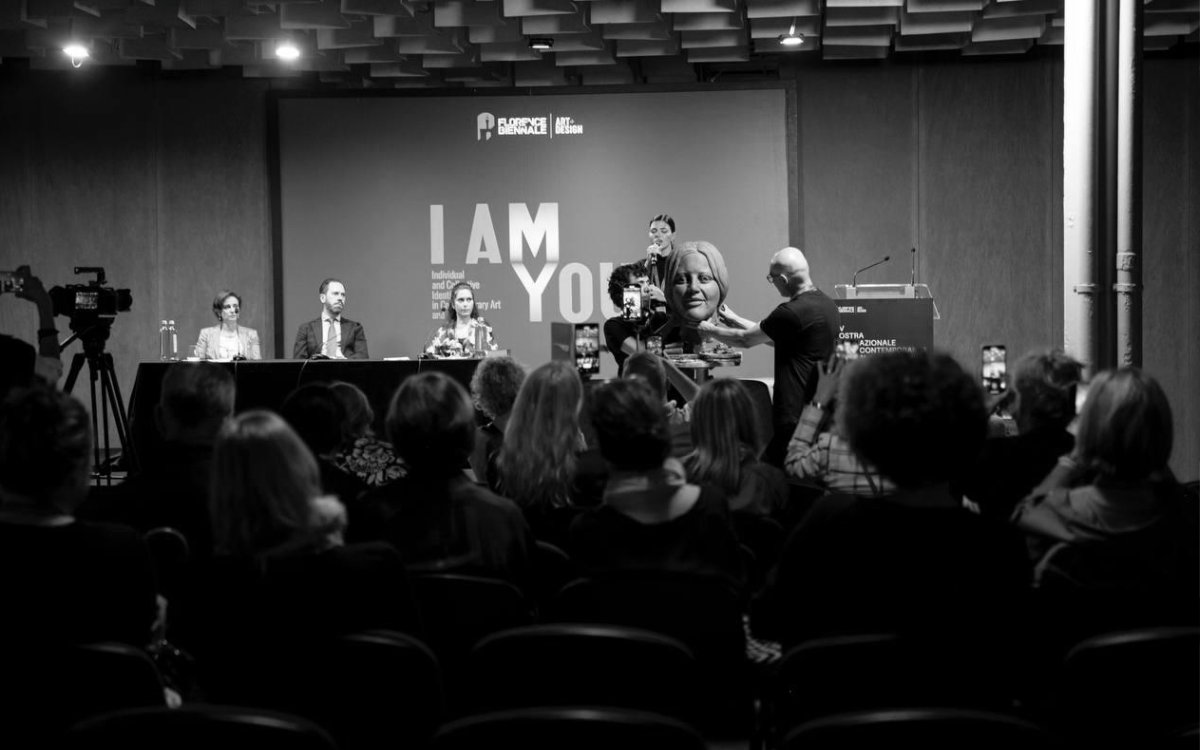
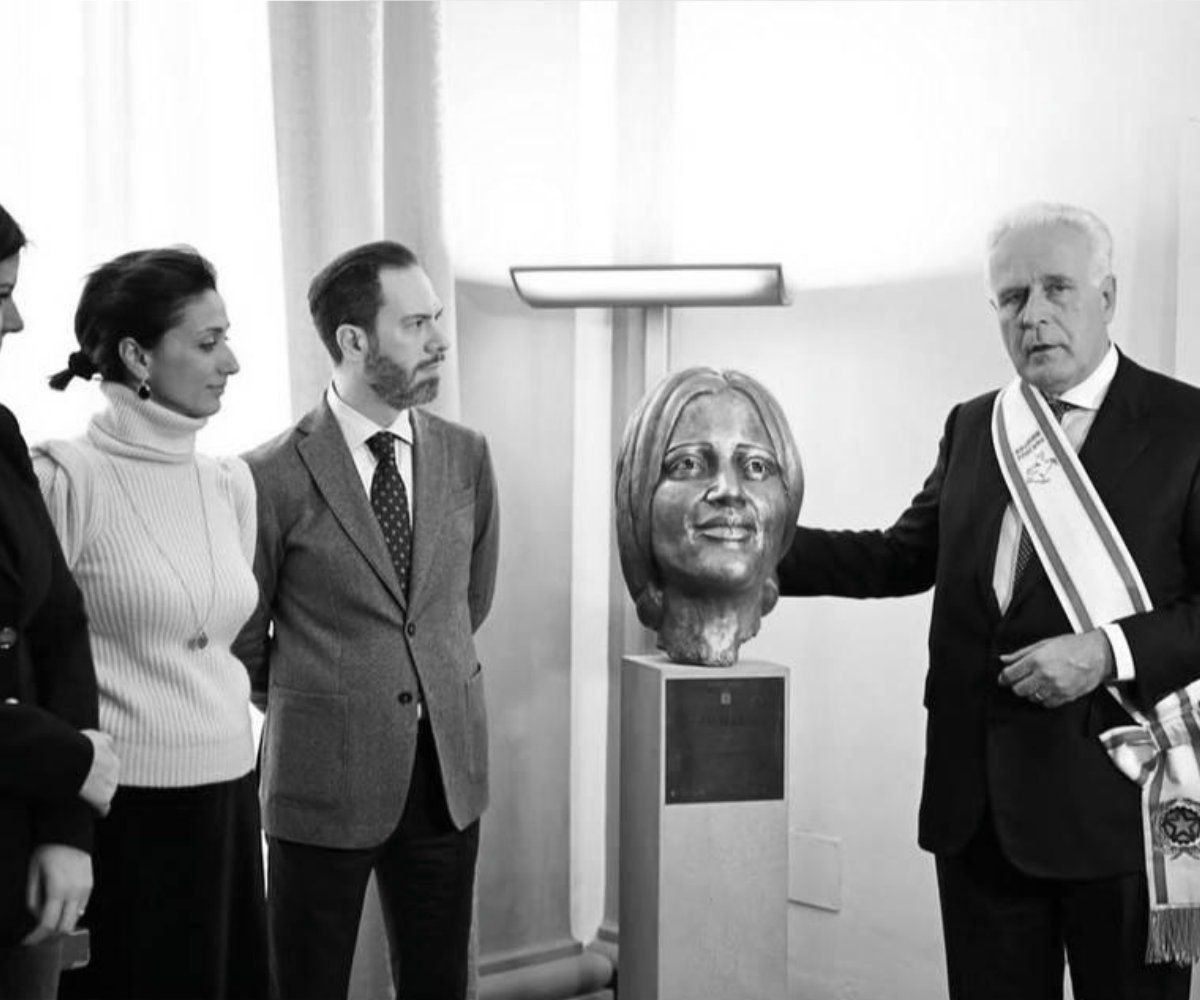
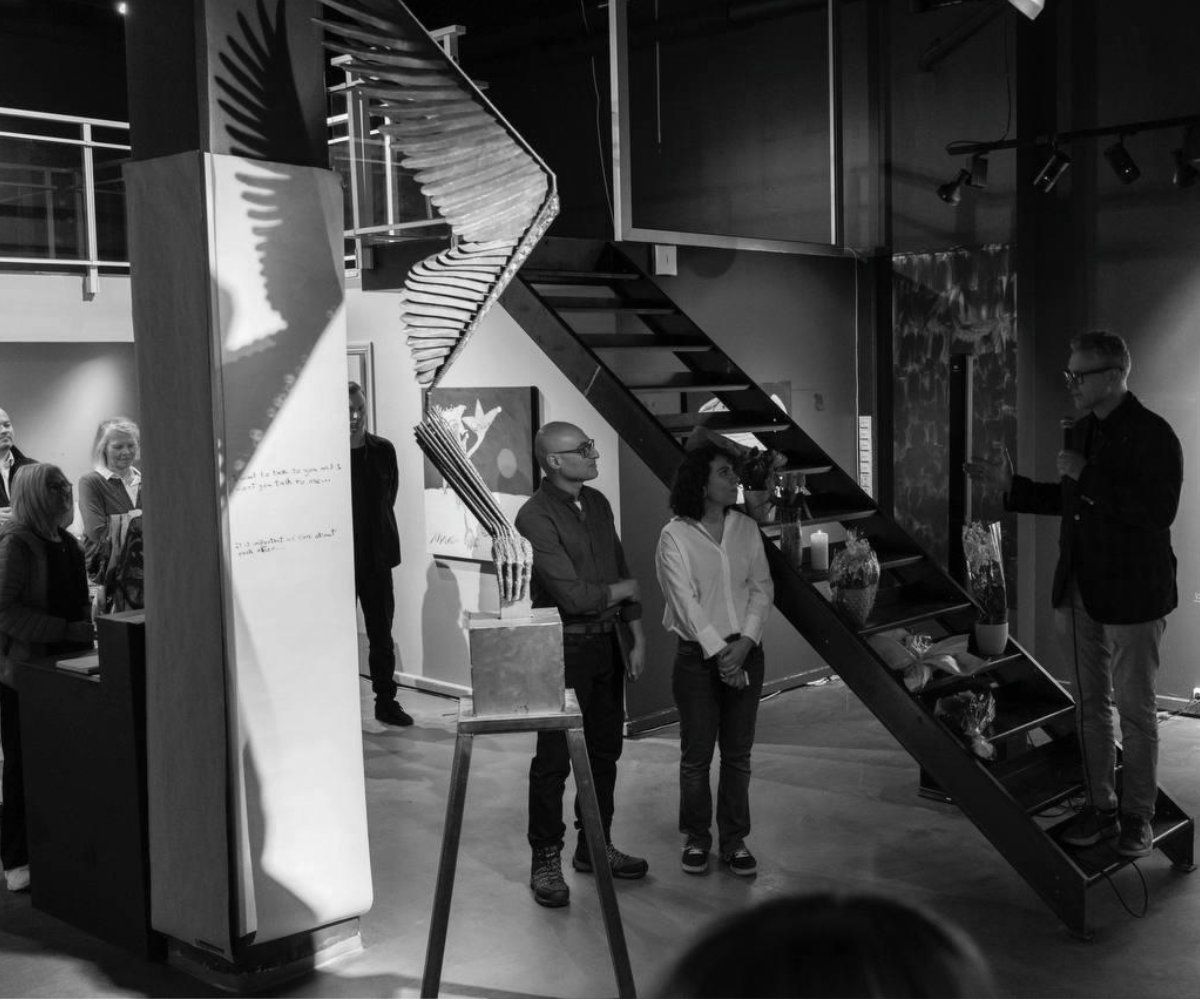
SPECIAL COMMENDATION FROM THE JURY Florence Biennale 2023
Iran, Italy and Norway | 2006–Present
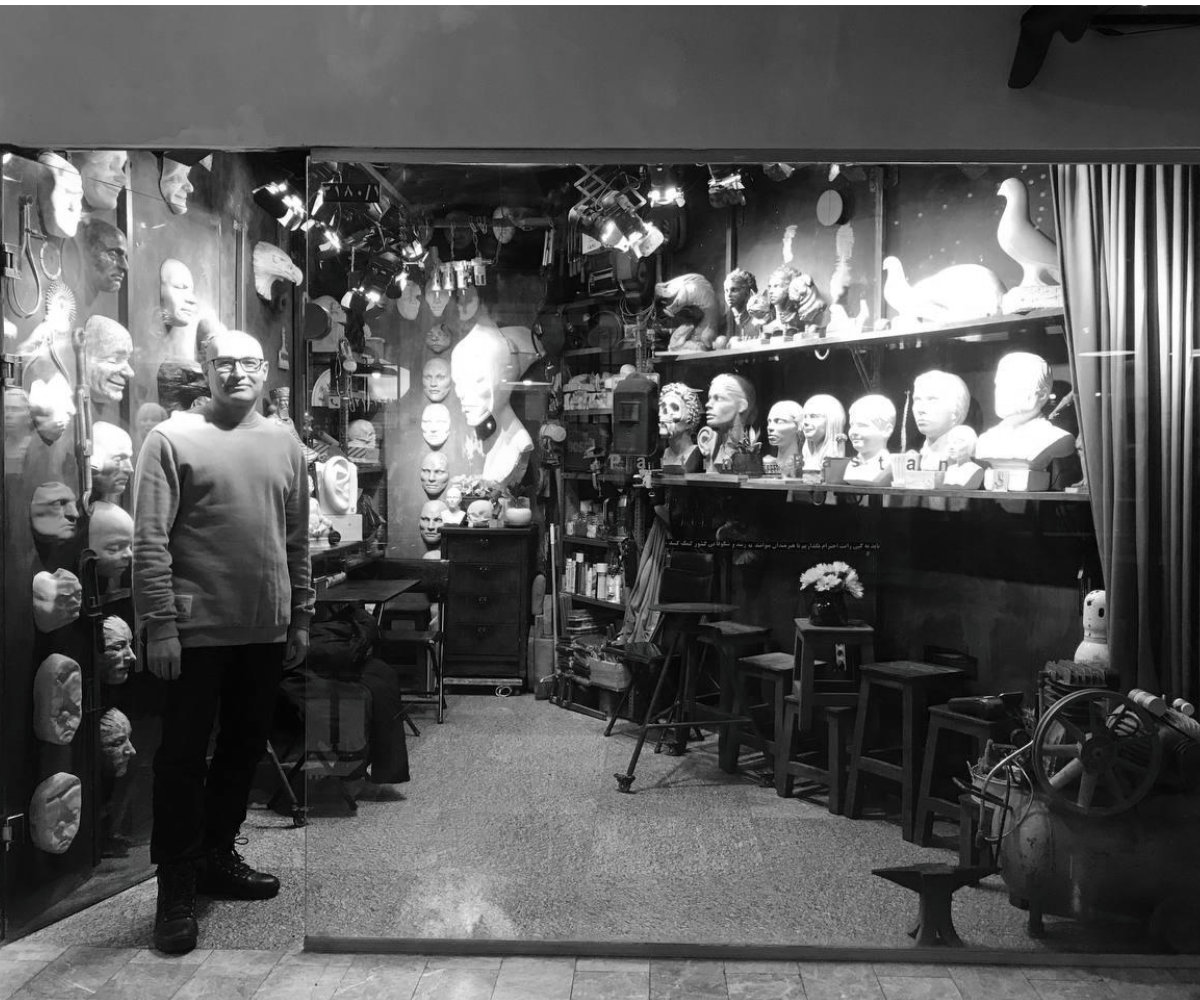
Founder, Artistic Director and Sculpture InstructorPartin Bastan Sculpture Studio & Gallery, Tajrish, Tehran, Iran | 2014–2023
Teaching, Workshops & Community artsPartin Bastan Sculpture Studio & Gallery, Tajrish, Tehran, Iran | 2014–present
Private Instructor of Sculpture, Figurative Drawing and Digital SculptingIran and Norway | 2010–Present
Digital Artist – Self-employedIran | 2008–2014
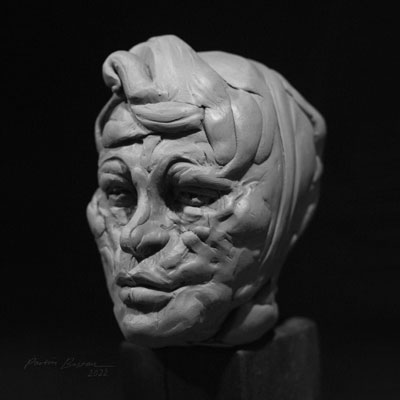
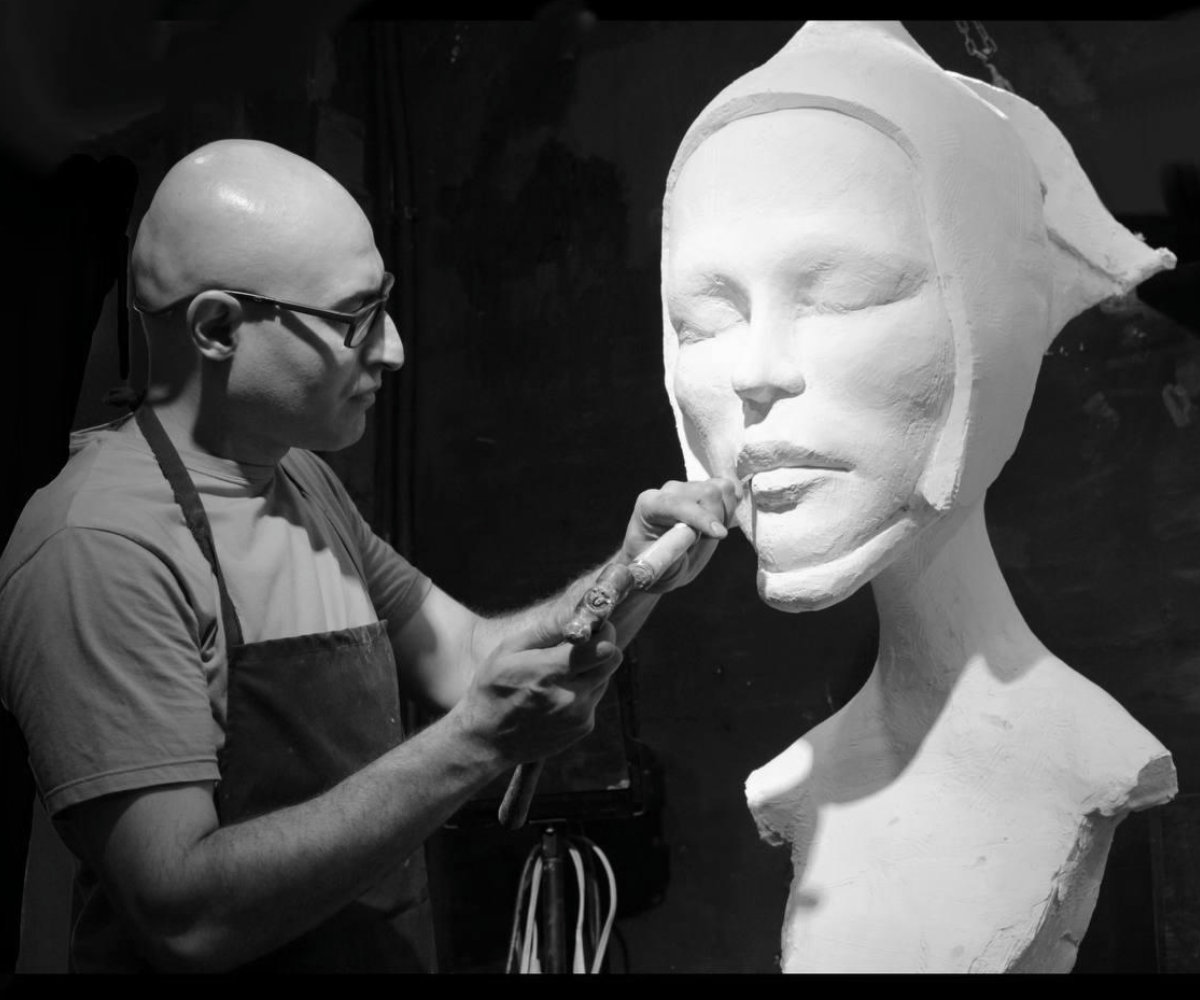
Partin Bastan is an Iranian artist based in Norway whose practice centers on figurative sculpture and the psychological dimensions of the human figure. His relationship with sculpture began in childhood through working alongside his father, a blacksmith. There, he was introduced to iron, tools, welding, and the physical transformation of materials, an early experience that shaped his enduring relationship with hard materials and the process of making.
After exploring digital sculpture and image-making, he returned to hand-built sculpture, finding a more direct means of artistic expression through materials such as iron and stone. His sustained interest in human and animal anatomy has become fundamental to the development of his figurative language. His figures move beyond physical representation through distortion, exaggeration, and transformation of form, addressing psychological and emotional states that cannot be easily seen or articulated. Beginning with imagined forms, he uses material to give physical presence to states such as tension, vulnerability, isolation, and the complexity of inner experience. In his practice, the body is not merely a subject of representation but a means of revealing what remains unseen. His expressionistic figurative sculptures occupy the space between recognizable human form and psychological transformation.